2 min
Optimizing Your 5 Essential Systems for Cellular Health
Science
Fact checked by
The Rerise Health Science Team

The 5 Essential Systems of Cellular Health
Walk through the supplement aisle and you'll see countless products promising energy, clarity, or longevity. But there’s a hidden truth. Most supplements focus narrowly on single symptoms rather than supporting the full spectrum of biological systems essential to lasting health. To truly optimize your health, these five core systems must be targeted simultaneously.
1. Cellular Energy Production
Energy isn’t just caffeine or calories. At the deepest level, your body relies on mitochondria to convert nutrients into ATP, the currency of cellular energy [1]. Effective supplements don’t just stimulate you; they enhance mitochondrial efficiency to generate consistent, natural energy throughout the day.
Key ingredients include Nicotinamide Mononucleotide (NMN), Coenzyme Q10 (CoQ10), and Acetyl-L-Carnitine (ALCAR), clinically shown to improve ATP synthesis, mitochondrial function, and overall vitality [2,3].
2. Cellular Repair and Recovery
Every cell in your body faces constant damage from environmental stressors, oxidative stress, and aging. Cellular health depends heavily on your body's ability to repair and renew mitochondria through a process called mitochondrial biogenesis [4].
Nutrients such as Pyrroloquinoline Quinone (PQQ) and PrimaVie® Shilajit stimulate this repair process, helping your cells bounce back faster from daily wear and tear, enhancing physical recovery and reducing brain fog [5,6].
3. Redox Balance and Stress Resilience
Redox balance refers to maintaining the equilibrium between antioxidants and harmful oxidative compounds in your cells [7]. Stress, pollutants, and inflammation disrupt this delicate balance, causing cell damage and accelerated aging.
Clinically validated antioxidants like R-Lipoic Acid and CoQ10 phytosome strengthen your cells’ ability to neutralize oxidative stress. This builds genuine cellular resilience and protects your body from long-term damage [8,9].
4. Cognitive Performance and Mental Clarity
Your brain demands exceptional energy supply and protection to maintain clarity, memory, and focus [10]. Effective supplements enhance neuronal energy production, neurotransmitter synthesis, and mitochondrial protection simultaneously.
Ingredients like Acetyl-L-Carnitine and PQQ have demonstrated significant cognitive benefits, including sharper focus, improved memory, and reduced mental fatigue by directly supporting mitochondrial function in neurons [11,12].
5. Methylation and Detox Efficiency
Methylation is a critical biochemical process influencing detoxification, DNA repair, and neurotransmitter synthesis [13]. Poor methylation can result in high homocysteine levels, linked to cardiovascular disease, cognitive decline, and accelerated aging.
Nutrients such as Trimethylglycine (TMG), methylated folate (5-MTHF), and methyl-B12 support optimal methylation cycles, aiding detoxification pathways and protecting against chronic health issues [14,15].
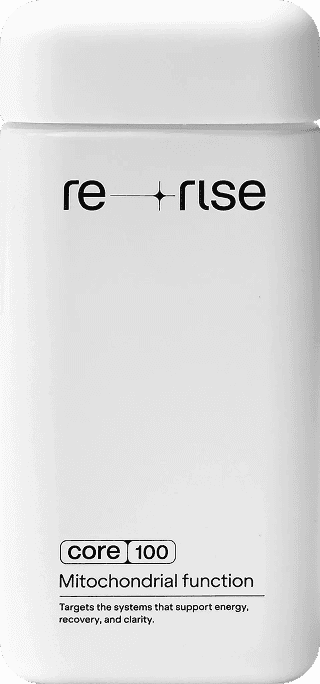
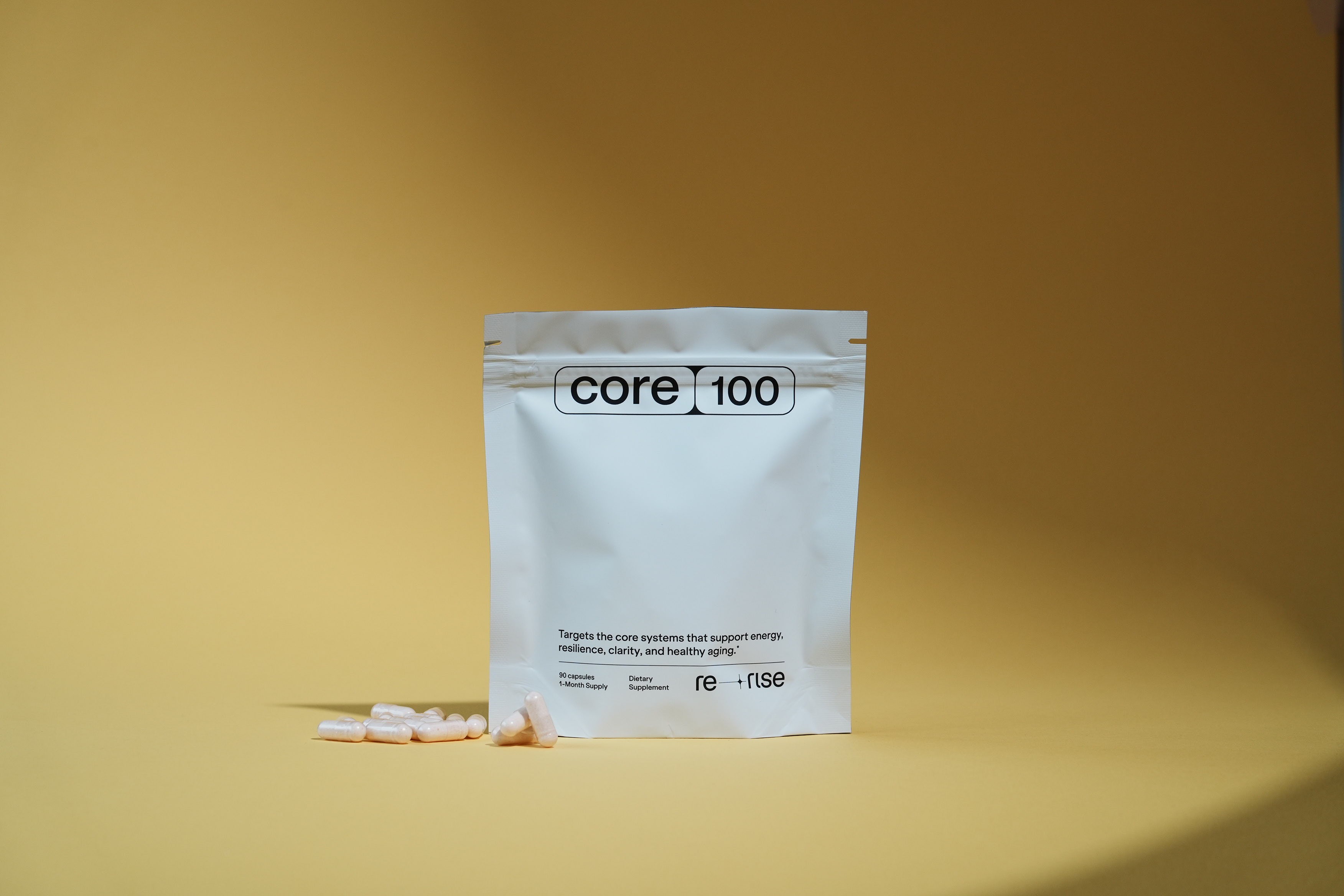
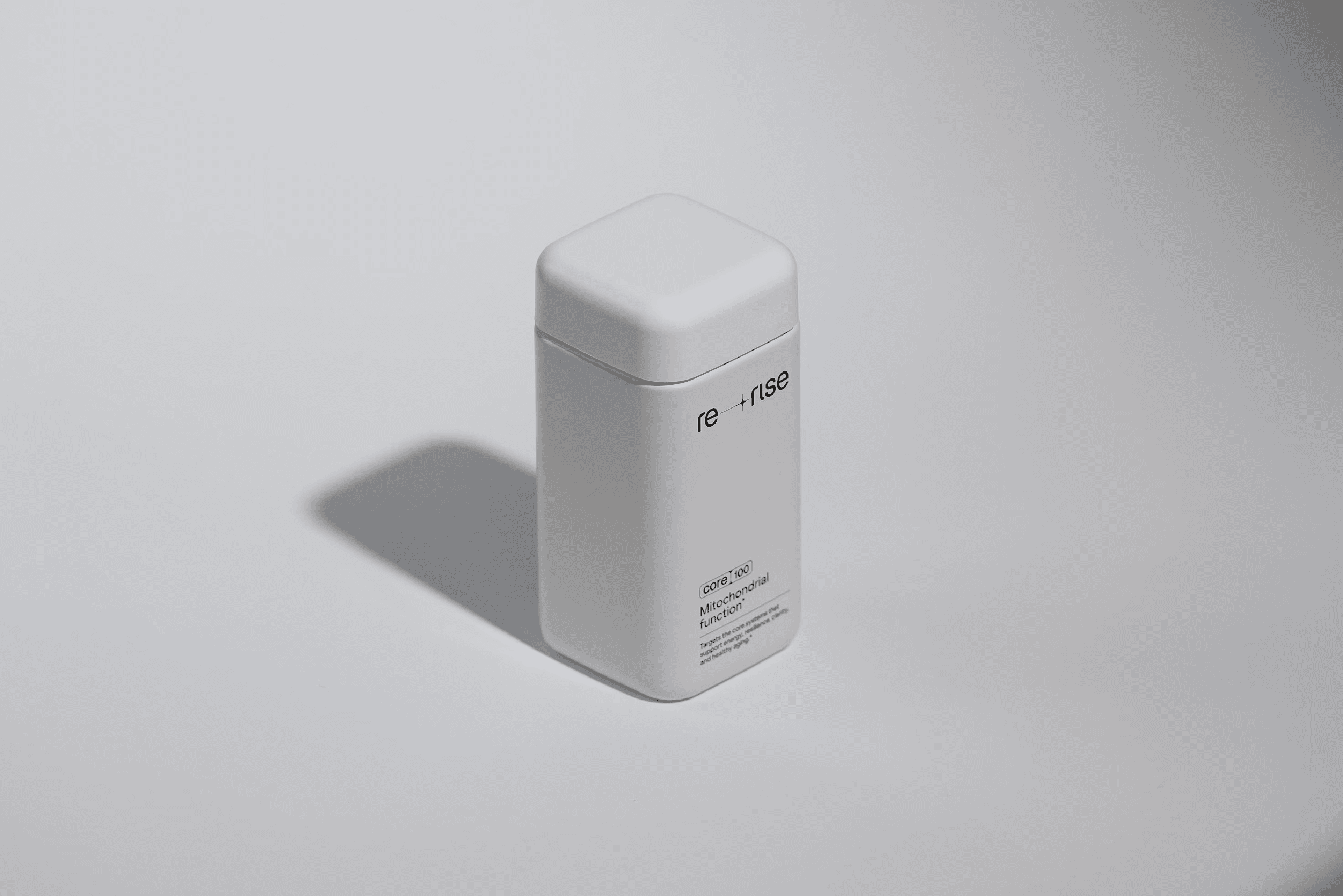
Get Core100, build these systems
Targeting just one system leaves your body unbalanced and fails to deliver lasting benefits. True cellular health demands a comprehensive approach that simultaneously supports all five systems. This multi-system strategy ensures sustainable energy, sharper cognition, reduced inflammation, and detoxification.
At Rerise, we've crafted Core100 to address each of these five systems with clinically validated doses and multi-pathway synergy. Instead of temporary symptom relief, Core100 provides foundational cellular support for genuine transformation.
If you're curious about how supporting these essential biological systems can benefit you, reach out to hello@rerisehealth.com. We love talking to randos!
References for ye olde skeptics
[1] Nicholls, D. G., & Ferguson, S. J. (2013). Bioenergetics (4th ed.). ScienceDirect.
[2] Yoshino, J., et al. (2018). NAD+ intermediates and therapeutic potential. Cell Metabolism, 27(3), 513-528. PubMed.
[3] Hernández-Camacho, J. D., et al. (2018). Coenzyme Q10 supplementation. Frontiers in Physiology, 9, 44. PMC.
[4] Jornayvaz, F. R., & Shulman, G. I. (2010). Regulation of mitochondrial biogenesis. Essays in Biochemistry, 47, 69-84. PubMed.
[5] Harris, C. B., et al. (2013). Pyrroloquinoline quinone (PQQ) and mitochondrial biogenesis. Advances in Nutrition, 4(6), 707-710. PMC.
[6] Das, A., et al. (2016). PrimaVie® Shilajit benefits in physical performance. Journal of Medicinal Food, 19(7), 701-709. PubMed.
[7] Jones, D. P. (2008). Radical-free biology of oxidative stress. American Journal of Physiology-Cell Physiology, 295(4), C849-C868. PMC.
[8] Shay, K. P., et al. (2009). Alpha-lipoic acid as a dietary supplement. Biochimica et Biophysica Acta, 1790(10), 1149-1160. PubMed.
[9] Littarru, G. P., & Tiano, L. (2010). Clinical aspects of coenzyme Q10. Nutrition, 26(3), 250-254. PubMed.
[10] Magistretti, P. J., & Allaman, I. (2015). Brain energy metabolism. Neuron, 86(4), 883-901. PubMed.
[11] Montgomery, S. A., et al. (2003). Acetyl-L-carnitine efficacy in elderly depression. International Clinical Psychopharmacology, 18(2), 61-71. PubMed.
[12] Nakano, M., et al. (2009). Effects of PQQ on cognitive function. Journal of Nutritional Science and Vitaminology, 55(5), 425-431. PubMed.
[13] Anderson, O. S., et al. (2012). Nutrition and epigenetics. Annual Review of Nutrition, 32, 245-272. PubMed.
[14] Olthof, M. R., & Verhoef, P. (2005). Effects of betaine intake on homocysteine. American Journal of Clinical Nutrition, 81(3), 539-549. PubMed.
[15] Smith, A. D., & Refsum, H. (2016). Homocysteine, B vitamins, and cognitive impairment. Annual Review of Nutrition, 36, 211-239.PubMed.

Written by
Conrad Ukropina