2 min
Rethinking Your Supplement Stacks
Science
Fact checked by
The Rerise Health Science Team
Are Your Supplements Working?
You take all the supplements, you do it all.
You track your sleep, optimize your diet, measure biomarkers, and invest in nutraceuticals. But the sad truth: many supplements aren’t doing much. If your goal is real, measurable health improvements, the biohacking stack in your cabinet may need a redesign.
Underdosing
Most popular supplements fall into a trap: underdosing critical ingredients. Clinical research repeatedly demonstrates that health benefits from supplements depend on meeting specific, validated dosage thresholds - not random small amounts [1].
For instance, Coenzyme Q10 (CoQ10) significantly improves mitochondrial function, cardiovascular health, and cognitive performance - but only at doses around 100–200 mg daily [2]. Many commercial products, however, include only a fraction of that clinically effective dose, delivering placebo-like effects at best.
This isn’t just a CoQ10 problem; the same issue occurs with virtually every major nutrient from PQQ to NAD+ precursors like NMN.
Clinical Dosing & Bioavailability
Effective supplementation means precisely matching dosages to those proven in human studies. Clinical dosing matters because cells respond to nutrients in specific amounts, following what's called a "dose-response relationship" [3]. They are also more effective in bioavailable forms, so your body can actually utilize it.
For example, Pyrroloquinoline Quinone (PQQ) requires 10–20 mg daily for meaningful cognitive and mitochondrial improvements [4]. Yet numerous supplements contain only trace amounts, making real physiological benefits impossible. The result? You spend money, but your health doesn’t actually improve.
Stacking Supps vs. Proven Synergy
Another common biohacker mistake is taking multiple isolated supplements hoping for additive benefits. But research indicates random stacking often creates nutrient imbalances or interference, limiting results [5].
In contrast, clinically validated supplement formulas leverage synergistic effects, meaning ingredients amplify each other’s cellular actions. For instance, combining NAD+ precursors (NMN) with mitochondrial cofactors (CoQ10, PQQ, R-Lipoic Acid) significantly enhances ATP production, cognitive function, and cellular resilience compared to taking each separately [6].
Real Results
If you’re serious about biohacking your health, cellular biology reveals exactly what your body needs:
Clinically Proven Dosages:
Always select supplements that transparently provide doses matching clinical research (e.g., NMN at ~300 mg, PQQ at ~20 mg, CoQ10 at ~150 mg daily).Real Synergistic Formulas:
Choose multi-ingredient formulas designed explicitly around proven cellular pathways, ensuring every ingredient complements and amplifies each other’s effect.Rigorous Third-party Testing:
Demand transparency on purity, potency, and sourcing. Effective supplements undergo rigorous third-party testing to guarantee dosage accuracy and quality.
Calling Core100
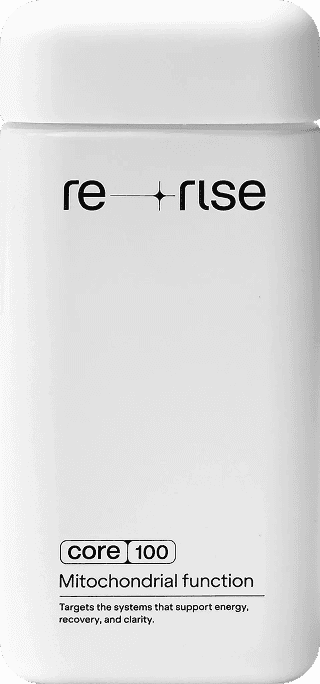
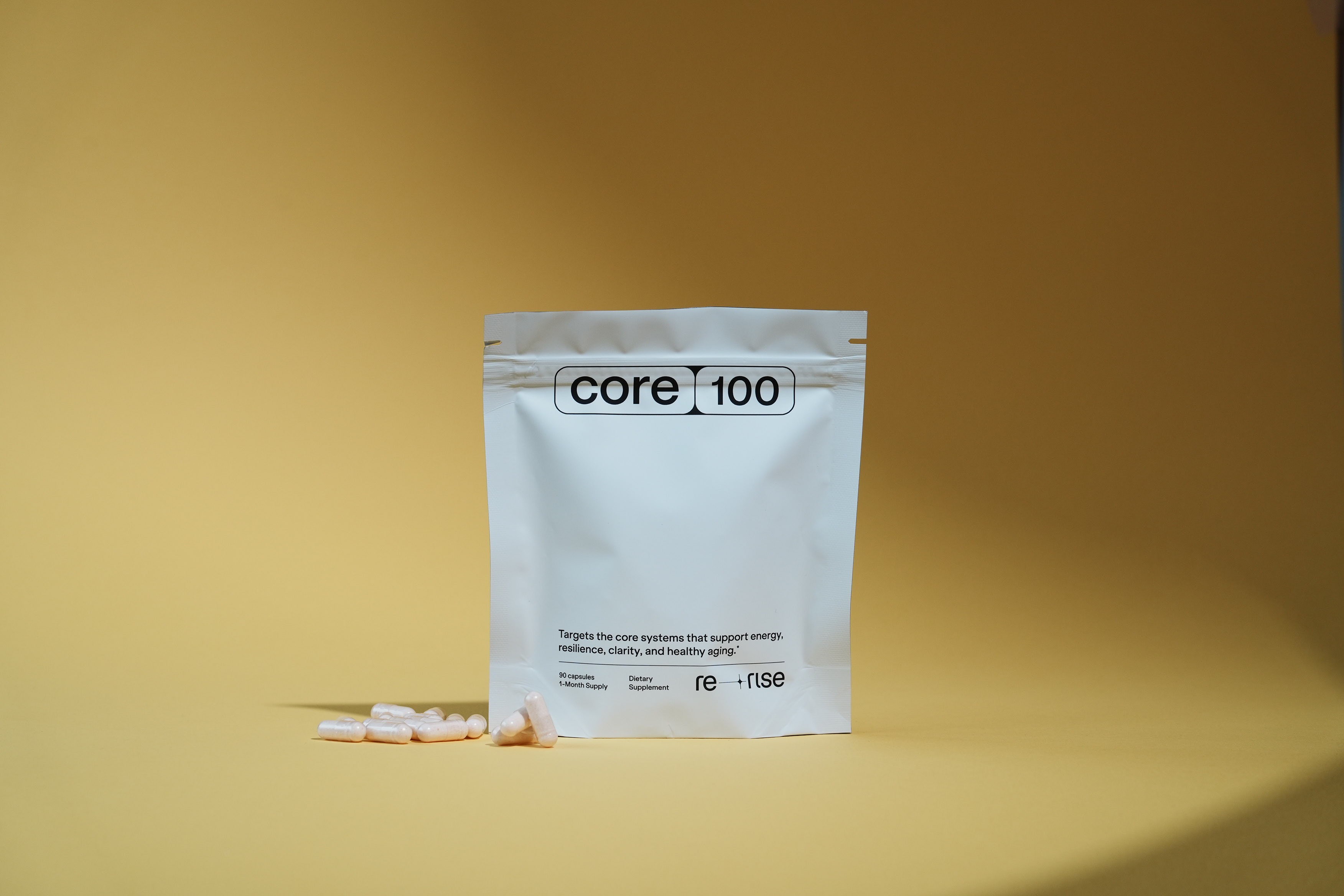
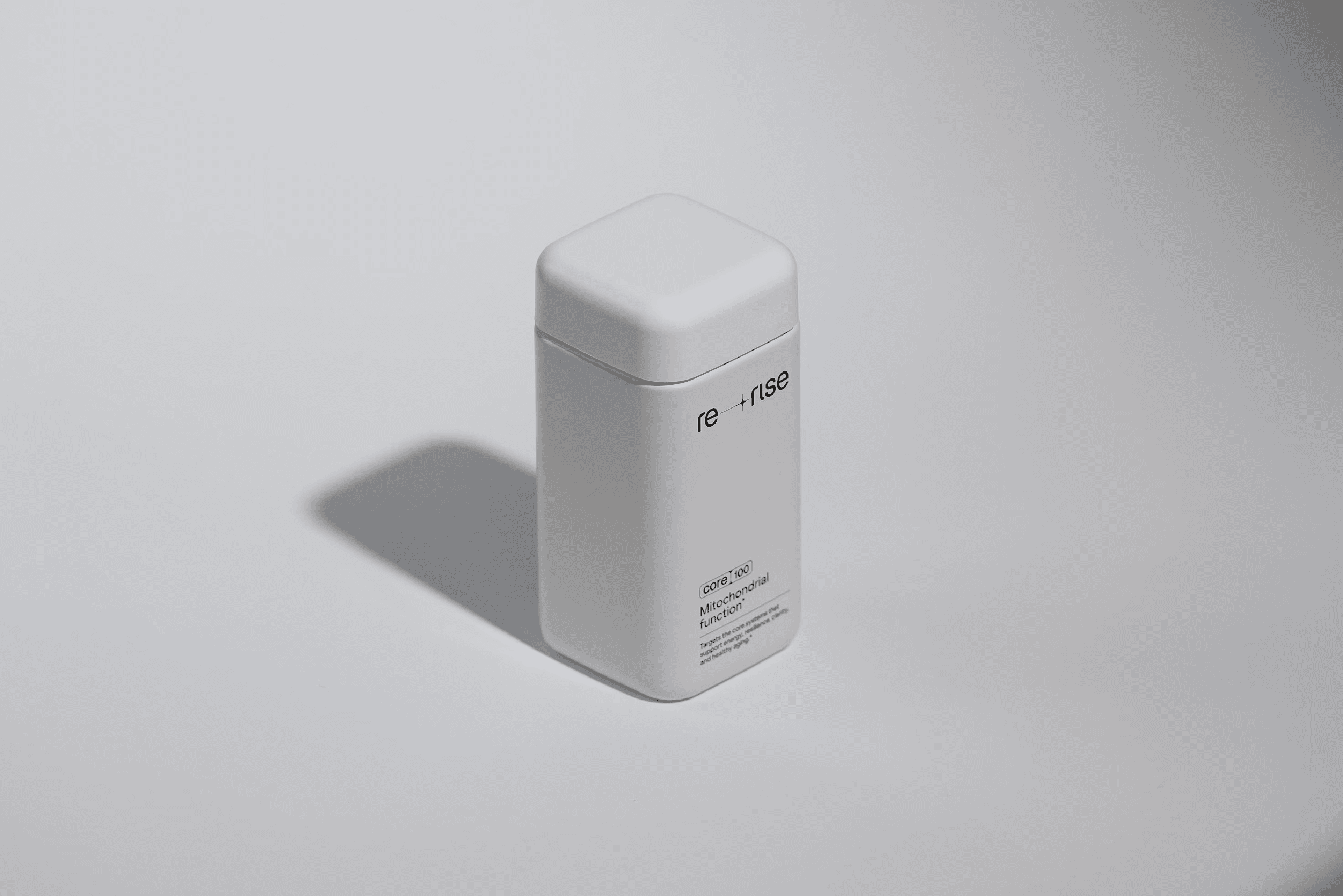
We designed Core100 precisely to meet these stringent criteria. Each ingredient - NMN, CoQ10 phytosome, PQQ, R-Lipoic Acid, Shilajit - is included at clinically validated dosages, tested rigorously, and formulated for maximum synergy. Core100 is cellular science translated directly into proven health benefits.
The outcome: sustained energy, measurable cognitive clarity, improved biomarkers, and long-term cellular resilience.
Your Health is Too Important for Guesswork
Biohacking shouldn't be about stacking guesswork supplements and hoping for the best. It should be about precise, validated cellular support proven through clinical science. When your supplements match exactly what your cells require, real biohacking begins.
If you’re ready to stop guessing and start experiencing validated, measurable health improvements, check us out, or shoot us a note at hello@rerisehealth.com.
Here's to optimizing your health in the most scientifically rigorous way possible!
-C
References
[1] Martínez-Sanz, J. M., et al. (2017). Nutritional supplements and dose efficacy. Journal of the International Society of Sports Nutrition.Link
[2] Hernández-Camacho, J. D., et al. (2018). Effective dosages of Coenzyme Q10. Frontiers in Physiology.Link
[3] Calabrese, E. J., & Baldwin, L. A. (2001). Hormesis: A dose-response revolution. Annual Review of Pharmacology and Toxicology.Link
[4] Harris, C. B., et al. (2013). Pyrroloquinoline quinone (PQQ) dosage and mitochondrial biogenesis. Advances in Nutrition.Link
[5] Lichtenstein, A. H., & Russell, R. M. (2005). Essential nutrients: Food or supplements? JAMA.Link
[6] Yoshino, J., et al. (2018). NAD+ and mitochondrial health: Effective supplementation strategies. Cell Metabolism.Link

Written by
Conrad Ukropina